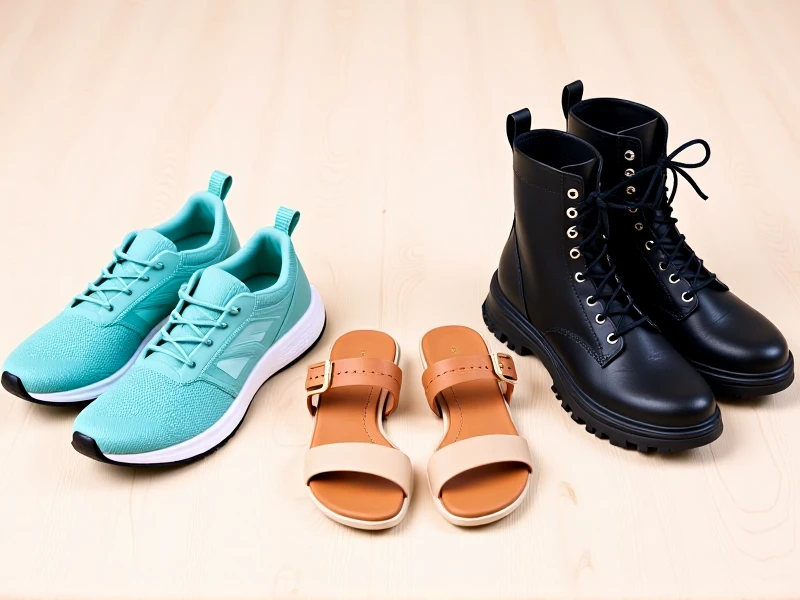
Finding Your Perfect Fit: The Science Behind Comfortable and High-Performance Sports Shoes
Here is the SEO article focusing on "sports shoes":
You bought those sleek new sports shoes, laced them up excitedly, but halfway through your run or game, discomfort sets in. Blisters, aching arches, or lacking support can quickly derail your workout or athletic performance. The right pair of sports shoes isn't just about style; it's foundational science dedicated to enhancing comfort and maximizing your potential.
Understanding the core technologies behind modern sports shoes is key to selecting the right pair. The journey starts with the upper. Engineered mesh and knit fabrics dominate, prioritizing critical breathability to keep feet cool and dry while offering essential flexibility for natural foot movement. Seamless construction minimizes irritation and rubbing points, a crucial feature for preventing blisters during intense activity.
The magic truly happens in the midsole, the heart of cushioning and energy return. Brands invest heavily in proprietary cushioning technologies – often utilizing EVA (Ethylene-Vinyl Acetate) foam, polyurethane, or cutting-edge supercritical foams. These materials absorb shock impact during heel strike and provide responsive energy return during toe-off. Tailored support features like medial posts or varying foam densities are integrated for stability against overpronation or supination.
Finally, the outsole provides the crucial connection with the ground. Durable, high-abrasion rubber compounds ensure longevity, while strategically designed traction patterns or multi-directional lugs offer superior grip for quick cuts, sprints, or navigating different court surfaces. A strategically flexible groove in the forefoot allows for a smooth, natural roll-through.
Choosing the best sports shoes is personal, dictated by your sport, foot mechanics, and training intensity. Running demands emphasize cushioning and forward motion efficiency, while basketball prioritizes ankle support and lateral stability for swift cuts. Cross-training or gym shoes focus on versatile performance. Consulting experts for a gait analysis remains invaluable to identify your specific support needs.
Investing in well-engineered sports shoes is investing in sustained comfort, reduced injury risk, and peak athletic performance. Understanding the sophisticated science behind that comfortable fit empowers you to find the ideal pair, unlocking your best stride. Your feet—and your performance—will thank you.